Why Summer Is the Best Time to Build a Sunroom (For Fall and Winter Enjoyment)
Every year in October, we get the same calls. “I’d love a sunroom by Thanksgiving — is that possible?”
The honest answer: usually no, not by Thanksgiving. Sunrooms take weeks of planning, weeks of permits, and weeks of construction. Homeowners who want to enjoy a sunroom in fall and winter need to start the conversation in summer.
If you’ve been thinking about a sunroom and waiting for “the right time” to start, this is your sign. The right time is now, while it’s still summer — not in October when you realize the cold is coming.
Why the Timing Question Matters More Than You Think
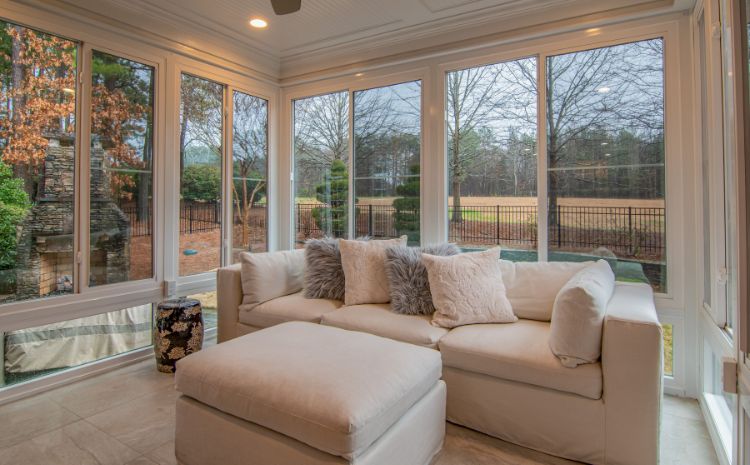
Sunrooms exist for one main reason: enjoying outdoor connection without outdoor discomfort. They’re at their best when the weather outside isn’t pleasant but you still want light, views, and a feeling of openness.
In St. Louis, those conditions hit hard from late October through March. Cold, gray, rainy days when you’d love to sit somewhere bright and protected without venturing into the cold. That’s prime sunroom season.
But here’s the timing irony: by the time most homeowners want a sunroom (October–November), it’s too late to build one for that season. Construction takes time. Permits take time. Decisions take time. Starting in October means completion in January or February, missing most of the season the sunroom was meant to enjoy.
The homeowners who actually get value from their sunrooms in fall and winter are the ones who started planning in summer.
What “Now” Looks Like for a Sunroom
If you start the conversation in mid-to-late July, here’s a realistic timeline:
- Weeks 1–3: Initial consultation, design conversations, scope decisions
- Weeks 3–6: Detailed design, material selections, contract finalization
- Weeks 5–9: Permit application and approval (varies by municipality)
- Weeks 9–14: Foundation prep, framing, construction
- Weeks 13–16: Glass installation, interior finishing, HVAC if applicable
- Weeks 16–18: Final inspections, punch list, completion
Total: 14–18 weeks from first conversation to enjoying the room.
A July 15 conversation start puts completion somewhere between mid-October and early November. Just in time for the first cold gray Saturday when you want somewhere bright to sit.
A September conversation start puts completion in January at best — well into the season, with months of the value lost.
A November “I want this for winter” conversation gets you a finished room in February or March, just as the season the sunroom was meant for is ending.
What’s Actually Achievable This Summer
Not every sunroom can be built on a 14–18 week timeline, but most can. Here’s what’s realistic:
Standard kit-based sunrooms: Yes, easily achievable. Companies like TEMO, Patio Enclosures, and Four Seasons systems can be designed, permitted, and installed within 3–4 months from start.
Custom-framed sunrooms with site-built construction: Yes, with disciplined timeline management. May push to 16–20 weeks for more elaborate designs.
Three-season rooms (screen panels, less complex): Often faster than full sunrooms. 10–14 weeks is typical.
Conservatory-style sunrooms with elaborate roof systems and architectural details: Tighter timeline. Possible from a July start, but no margin for delays.
Sunrooms requiring significant site work or foundation: Depends on the specifics. Some achievable, others would push past comfortable completion.
What’s typically not achievable on this timeline:
- Full year-round addition with HVAC integration (essentially building an addition, longer timeline)
- Sunrooms requiring extensive structural changes to the home
- Major architectural review processes (historic districts, complex HOA requirements)
The Pricing Reality
Quick refresher on what sunrooms actually cost in the St. Louis market for 2026:
- Three-season room (screens, basic finish, 12×14): $35,000 – $65,000
- Basic sunroom (glass, modest finish, 12×16): $40,000 – $80,000
- Premium sunroom (insulated glass, full HVAC, designed interior): $70,000 – $130,000
- Conservatory-style (architectural glass, complex roof): $100,000 – $200,000+
The range depends on size, materials, foundation type, level of integration with the home, and whether it includes HVAC for year-round use.
For most homeowners considering a sunroom for fall and winter enjoyment, the mid-range tier ($60,000–$100,000) delivers what people want: properly insulated, comfortable for cool weather use, properly integrated with the home’s design.
What Makes a Sunroom Actually Enjoyable in Cold Weather
A sunroom that you don’t want to use in November is a sunroom that wasn’t designed for November. A few specifics that determine whether your sunroom will actually get used when the weather turns:
Insulated glass. Single-pane glass is unusable when it’s 35°F outside. Double-pane insulated glass with a low-E coating maintains comfort. Triple-pane is overkill for most St. Louis applications but excellent if budget allows.
Heating. A sunroom without heating becomes unusable from late October through April. Heating options range from simple electric heaters (low cost, less elegant) to integrated mini-split HVAC (higher cost, much better experience) to extension of your home’s existing HVAC (sometimes practical, sometimes not).
Proper roof and insulation. Glass roofs are dramatic but create extreme cold-weather discomfort. A real insulated roof with skylights or strategic glass panels is usually more practical for year-round comfort.
Foundation type. Slab-on-grade sunrooms have cold floors all winter. Sunrooms built on properly insulated foundations or over conditioned space stay much more comfortable.
Orientation and exposure. South-facing sunrooms get the most winter sun benefit (free heat from solar gain). East and west-facing have summer issues with extreme heat. North-facing get less light but stay more comfortable in summer. Each has trade-offs.
Connection to the home. Sunrooms that open directly into a main living area (kitchen, family room) get used much more than those connected through a hallway or back door. The integration matters as much as the room itself.
The Most Common Sunroom Regrets
Across many sunroom projects, three regrets show up over and over:
“We didn’t add heating.” Cold-weather use was the whole point, and skipping HVAC made the room unusable for the season they wanted it most. Adding heat later is more expensive and less elegant than designing for it from the start.
“The roof gets too hot in summer.” Glass roofs that seemed dramatic in the showroom turn the sunroom into a greenhouse in July and August. Solid roofs with strategic glass panels balance better.
“It’s too far from the rest of the house.” Sunrooms accessed through a hallway or off the back of the home get used much less than those that flow naturally from a main living space. Connection to the home’s traffic pattern matters.
Avoiding these regrets requires designing for the actual use case, not just the look.
When Sunrooms Aren’t the Right Answer
A few situations where we’d recommend a different solution:
You want true year-round expansion of your home. A full addition (matching the home, with full HVAC and insulation) is a different product than a sunroom. Better for genuine new living space.
You want maximum summer outdoor enjoyment. A covered deck, screened porch, or pergola might serve you better than a sunroom for summer-focused use.
Your budget is tight. A budget sunroom often disappoints. If you can’t afford the mid-range tier, consider waiting and doing it right rather than building a compromised version.
Your home’s layout doesn’t support good integration. If a sunroom would only attach awkwardly, the result rarely lives up to expectations.
A good contractor tells you when a different solution would serve you better. Always preferable to a contractor who’ll build anything you’ll pay for.
Frequently Asked Questions
Can a sunroom really be used year-round in St. Louis?
With proper design — insulated glass, real heating, good roof construction, proper foundation — yes. The “year-round” claims in sunroom marketing are real if the room is designed correctly. Budget kits with single-pane glass and no heating are not year-round rooms.
Does a sunroom count as added square footage on appraisal?
Depends on the construction. Fully insulated, year-round-conditioned sunrooms can count as added heated square footage. Glass-heavy or unheated sunrooms typically don’t. Verify with your local market and an appraiser if this matters to you.
Will my HOA approve a sunroom?
Most do, but designs need to match the home’s exterior. HOA review timelines add 2–6 weeks typically. Check your HOA documents before starting design.
Can I add a sunroom to an existing deck?
Sometimes. Depends on the deck’s structural rating, foundation, and condition. A structural assessment determines whether the existing deck can support a sunroom or whether new foundation work is needed.
How long do sunrooms last?
Quality sunrooms built with modern materials should last 25–40+ years with reasonable maintenance. Glass seals may need replacement after 15–20 years. Frames hold up almost indefinitely if installed correctly with proper drainage.
Let’s Start Your Sunroom Conversation
If you’ve been thinking about a sunroom and want to enjoy it this fall and winter, the planning conversation needs to happen in July or August. We can have your design finalized in August, your permits filed by Labor Day, and construction completed in mid-October to early November — just in time for the season you wanted it for.
Covenant Contracting builds sunrooms across the St. Louis metro — Fenton, Wildwood, Ballwin, Chesterfield, St. Peters, Grover, Valley Park, and surrounding areas. Free in-home consultations, honest design conversations, and realistic timelines. You can see past work in our project gallery.
Request Your Free Sunroom Consultation →
Or call (314) 282-1991 to start the conversation, or explore our other services.