Can You Replace a Roof in Winter? (Yes — Here's the Honest How)
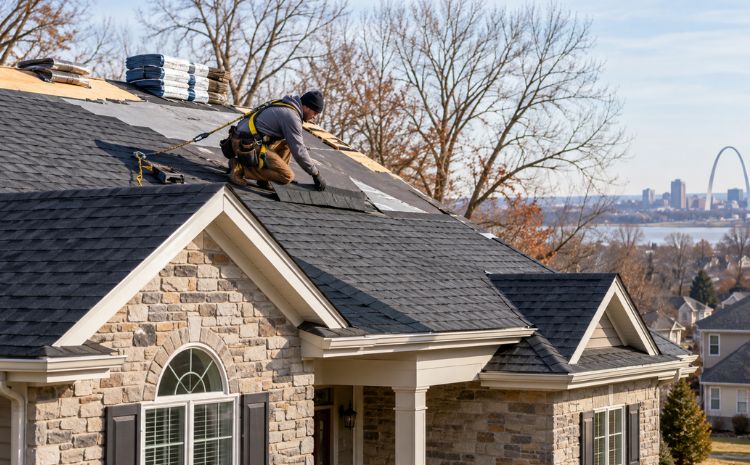
Every December someone apologizes to us on the phone: "I know it's probably too late in the year, but the roof is leaking." Here's the news that surprises them — it's not too late. Roof replacement in St. Louis doesn't stop for winter; it gets choosier. The crews that know cold-weather technique work all season, and the physics is manageable if you respect it.
Here's the honest version: how winter roofing actually works, when it's the right call, and when waiting for April genuinely serves you better.
The One Thing Cold Changes: Sealing
Asphalt shingles have a factory adhesive strip that bonds each course to the one below it — that bond is what makes a roof a weather system instead of a stack of loose tabs. The adhesive activates with warmth, which summer provides free. In winter, activation waits for warm days or doesn't happen until spring — which is why industry guidance on cold-weather application centers on technique: hand-sealing shingles with roofing cement in vulnerable zones, storing bundles warm so they stay flexible, and timing tear-off to the forecast rather than the calendar.
What that means practically: a winter roof installed by a crew that hand-seals edges, rakes, and exposed runs performs just like a summer roof. A winter roof installed by a crew pretending it's July waits for the first real wind event to show you the difference. The question to ask any winter bidder is simply: "What's your cold-weather sealing procedure?" A good crew answers in detail before you finish asking.
The Real Temperature Windows
Winter here isn't Minnesota — it's strings of 20-degree days broken by 45-degree gifts. Replacement proceeds on the gifts: dry days, moderate temps, shingles stored warm, tear-off sized so the deck is never exposed overnight. That last part is the discipline that matters most — winter jobs run in smaller sections than summer jobs precisely so a surprise front never catches an open roof.
What pauses work honestly: active precipitation, ice on the deck (a crew-safety line no responsible company crosses), and deep-cold stretches that make shingles brittle enough to crack underfoot. A winter replacement therefore quotes a window, not a date — expect "this two-week span, weather-selected days" rather than "Tuesday."
When Winter Replacement Is the Right Call
Active leaks and storm damage. Water in the house doesn't care that it's December, and neither does the damage compounding in your insulation and framing. The leak-to-fix math always favors now.
A roof that failed its fall inspection. If the checklist from our fall inspection guide turned up failing flashing, brittle shingles, or widespread granule loss, a winter window beats a spring emergency — and beats competing with the spring rush for crew calendars.
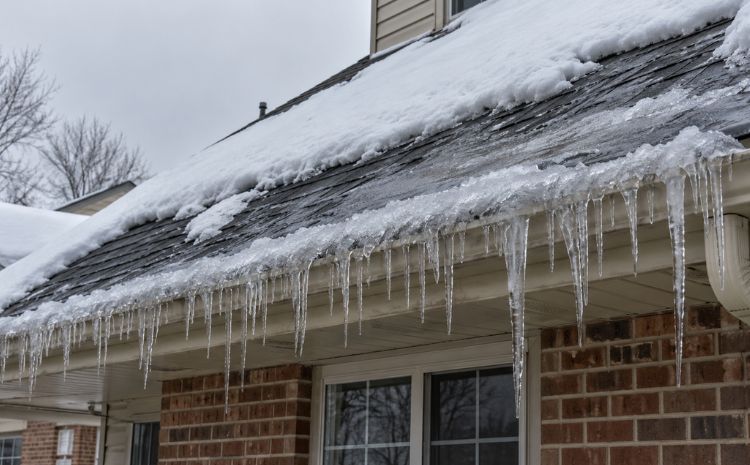
Ice-dam casualties. Chronic dam damage at the eaves is both a symptom (fix the attic, per our ice dam physics) and a membrane opportunity: replacement means new ice-and-water shield at the eaves, the backstop layer that makes the next freeze-thaw cycle boring. The winter loss research is blunt about which homes come through February intact — the ones with sound roof edges and controlled attic heat.
Insurance-clock situations. Approved claims don't improve with age, and some policies' repair windows span the winter whether that's convenient or not.
When Waiting for Spring Is Honestly Better
No leak, no damage, just age? A sound-but-old roof loses nothing by waiting for April — and gains ideal sealing weather. The smart winter move there is booking, not building: contract now, hold an early-spring slot, skip the rush pricing and the rush scheduling. We'll tell you which situation yours is; about half the winter calls we get are better served by the spring contract.
And while you wait: winter is the perfect season for the attic half of roof health. Air sealing and insulation work from our attic guide — the attic-depth check takes ten minutes — is indoor work that makes the roof's job easier regardless of when the shingles turn over.
Frequently Asked Questions
Can a roof be replaced in winter?
Yes. St. Louis winters offer regular workable windows, and proper cold-weather technique — hand-sealing, warm shingle storage, section-sized tear-offs — produces a roof that performs identically to a summer install. The crew's procedure matters more than the month.
Is it cheaper to replace a roof in winter?
Sometimes modestly — winter is roofing's slow season and calendars are softer. But the honest draw is availability and speed, not deep discounts. Materials cost the same; good labor does too.
What temperature is too cold for roofing?
There's no single number — crews work dry, moderate days and pause for ice, precipitation, and deep-cold stretches that make shingles brittle. Expect a weather-selected window rather than a fixed date.
Should I repair now and replace in spring?
Often, yes — that's a legitimate strategy for a roof that's failing slowly. A targeted winter repair buys the roof until April, and a spring contract signed now gets the best slot. We quote both paths so you can choose with real numbers.
Get a Winter-Honest Assessment
We'll tell you which of the four situations your roof is in — replace now, repair-and-book, book for spring, or just keep watching — with photos and real numbers. Leaks especially: those calls go to the top of the list, December or not.
Covenant Contracting handles roofing across the St. Louis metro — Fenton, Wildwood, Ballwin, Chesterfield, St. Peters, Grover, Valley Park, and surrounding areas.
Request Your Free Roof Assessment →
Or call (314) 282-1991.