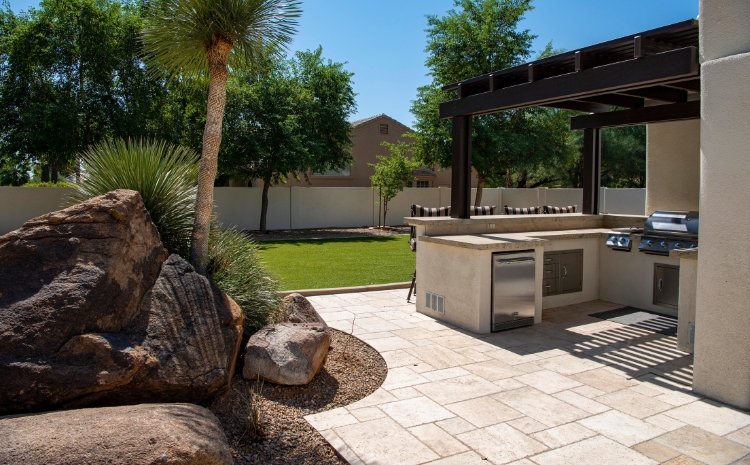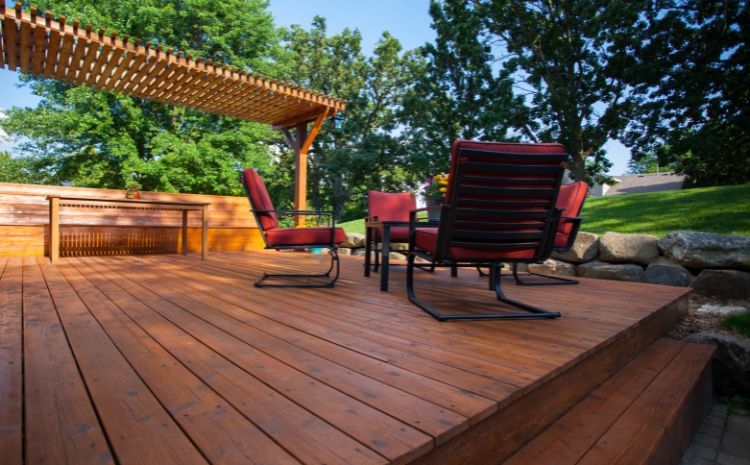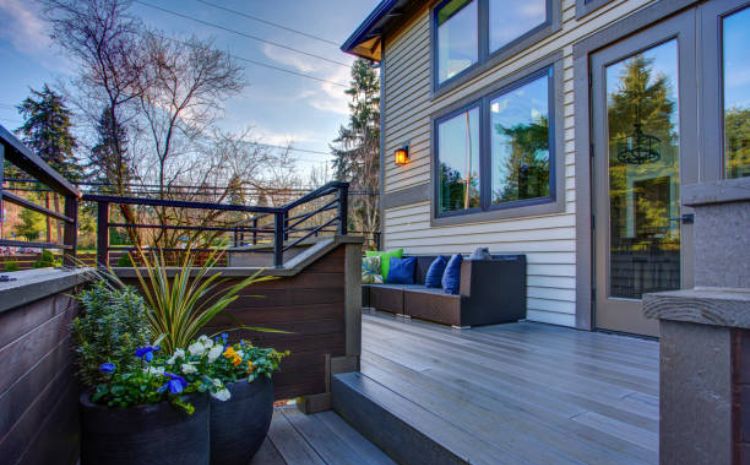
Backyard Privacy Ideas for St. Louis Homes (When You Want to Enjoy Summer Without the Neighbors Watching)
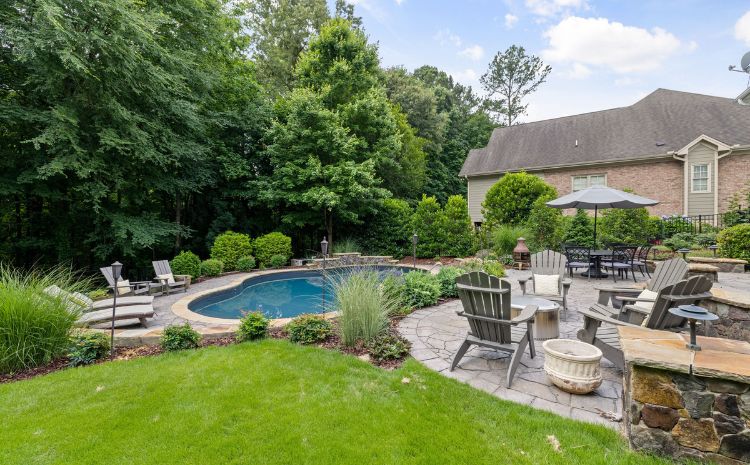
If your backyard feels like a fishbowl, you're not alone. Most St. Louis lots — especially in established suburbs — have neighbors close enough to see what you're grilling, hear your conversations, and watch your kids play. The dream of using your backyard as an outdoor retreat runs into the reality that "outdoor" doesn't always feel private.
Solving this is one of the most common conversations we have with homeowners. The good news: there are real solutions that work, ranging from simple landscaping to full privacy structures. The honest news: not all "privacy ideas" actually work, and some create more problems than they solve.
Here's a real-world look at backyard privacy options that hold up in St. Louis conditions.
Why Privacy Matters More Than Aesthetics Suggest
A backyard that feels private gets used. A backyard that feels exposed gets abandoned. After years of building outdoor living spaces, the pattern is consistent — clients who add privacy solutions report dramatically more time spent in their backyards within months.
The reasons are practical and psychological. Hosting feels different when conversations can't be overheard. Kids play differently when they're not being watched. Adults relax more deeply when they're not on display. Even the simple pleasure of reading outside or having morning coffee transforms when the space feels yours.
Privacy is about more than blocking sightlines. It's about creating a space that feels like an outdoor room — separated from the rest of the world, comfortable, your own.
Privacy Fencing: The Traditional Solution
Fences are the most common privacy solution because they work. They define property lines, block direct sightlines, and create immediate enclosure. But fence choices matter more than most homeowners realize.
Cedar privacy fence (traditional). The classic St. Louis privacy fence. 6 feet tall, cedar boards with minimal gaps, posts at standard intervals. Looks great when new, but cedar weathers gray within 2–3 years if not maintained, and the natural warping of cedar boards creates gaps over time. Pros: traditional aesthetic, real wood character. Cons: ongoing maintenance, eventual replacement. Cost: $20–$45 per linear foot installed. A typical backyard perimeter (150–200 linear feet) runs $4,000–$10,000.
Horizontal slat cedar. A modern aesthetic gaining popularity. Same cedar materials, but horizontal orientation reads as more contemporary. Often with strategic gap spacing for filtered light. Pros: distinctive design, contemporary look. Cons: same maintenance as traditional cedar, slightly higher installation cost due to design complexity. Cost: $30–$60 per linear foot.
Vinyl privacy fence. The "set it and forget it" option. Modern vinyl looks much better than the early-2000s versions, doesn't need painting or staining, and lasts 25+ years. Pros: zero maintenance, lifetime warranty common. Cons: doesn't have the warmth of wood, can look "manufactured," cheaper grades discolor over time. Cost: $30–$60 per linear foot for quality vinyl.
Composite fencing (relatively new). Made from materials similar to composite decking. Combines low maintenance with a more authentic wood appearance. Pros: great long-term performance, modern materials. Cons: premium pricing, newer technology means a longer track record is still developing. Cost: $35–$75 per linear foot.
Aluminum/steel ornamental. For homeowners who want enclosure without complete visual blocking. Great for security and definition without losing views. Often combined with strategic landscaping. Pros: minimal maintenance, lasts essentially forever, doesn't block desirable views. Cons: provides limited privacy alone, requires combination with plantings. Cost: $25–$60 per linear foot for quality ornamental.
Landscape Privacy: Living Solutions
Plants can provide excellent privacy with a significantly different aesthetic. Done well, landscaping privacy can feel more natural and creative than fencing. Done poorly, it can take years to mature and never quite deliver on promises.
Arborvitae. The workhorse of privacy landscaping. Fast-growing evergreens with dense foliage from ground to top. Green Giant, Emerald Green, and Dark American varieties handle St. Louis well. Pros: provides screening year-round, relatively fast growth, modest maintenance. Cons: needs 3–5 years to mature into full privacy, regular watering during establishment, deer pressure in some areas. Cost: $200–$500 per tree installed. A privacy screen needs plants every 4–6 feet, so a 100-foot property line runs $5,000–$15,000.
Cypress trees. Italian cypress (where hardy) and Leyland cypress create dramatic narrow privacy. Cypress works in St. Louis but with limitations — Leyland especially has had disease pressure in recent years. Pros: distinctive look, fast growth, narrow footprint. Cons: disease issues, may not last as long as alternatives.
Holly (American holly, Nellie Stevens). Glossy evergreen foliage, dense screening, with the bonus of red berries in winter. Slower-growing than arborvitae but more substantial when mature. Pros: distinctive appearance, year-round screening, lasts decades. Cons: slow to mature, sharp leaves limit planting locations.
Privet hedges. A traditional hedge for privacy. Privet grows fast and can be shaped into formal walls. Pros: dense screening, classic appearance, fast establishment. Cons: requires regular trimming to look intentional rather than wild.
Bamboo (clumping varieties only). A dramatic privacy screen with tropical aesthetic. Fargesia clumping varieties don't spread invasively like running bamboo (critical distinction — never plant running bamboo unless contained). Pros: striking visual, very fast growth, modest space requirements. Cons: limited cold hardiness in some varieties, looks distinctly tropical which may not suit traditional homes.
Ornamental grasses. Tall grasses like Miscanthus, switchgrass, and pampas grass provide privacy during the growing season. Pros: dramatic textures, easy to grow, no major maintenance. Cons: deciduous — they die back in winter, providing no screening in cold months.
Mixed plantings. Often the most natural-looking and resilient approach. Combining evergreens for year-round screening with deciduous trees, ornamental grasses, and seasonal interest creates layered privacy that looks intentional rather than utilitarian. Pros: most natural aesthetic, resilient (if one plant fails, others remain), seasonal interest. Cons: takes longer to establish, requires more design thought.
Built Privacy Structures
Beyond fencing and landscaping, structures can create privacy zones within the backyard.
Pergolas with privacy panels. A pergola adds overhead structure to a backyard space. Adding lattice, slat, or louvered panels on one or two sides converts a pergola into a privacy nook. Pros: creates intimate space within the backyard, addresses specific seating areas, beautiful aesthetic. Cons: doesn't provide full property-line privacy, requires additional landscaping or fencing for full coverage. Cost: a pergola with privacy panels typically runs $6,000–$16,000.
Privacy screens (freestanding). Modular outdoor privacy panels that can be positioned to block specific views without full fencing. Cedar, composite, or metal options. Pros: flexible placement, can address specific sightline issues, easier to install than fencing. Cons: provides limited coverage, requires more units for full privacy. Cost: $400–$1,500 per panel installed.
Trellis with vines. A lattice or trellis structure with climbing vines (clematis, climbing hydrangea, akebia, wisteria) provides living privacy that's both structure and landscape. Pros: beautiful natural privacy, modest cost, dramatic seasonal interest. Cons: takes 2–3 years to mature, requires a support structure, vine maintenance. Cost: structure plus plants typically $1,500–$4,000.
Outdoor curtains. Weather-resistant outdoor curtains hung from pergolas or other structures can be drawn for selective privacy. Pros: flexible — privacy when wanted, open when not, dramatic aesthetic. Cons: requires a structure to hang from, fades over years, can be an issue in wind. Cost: $400–$1,500 depending on quantity and quality.
Water features. A water feature like a fountain or small pond doesn't block sightlines, but the sound dramatically affects perceived privacy by masking conversation. Pros: beautiful, calming, sound privacy without visual blocking. Cons: doesn't actually block views, maintenance commitment. Cost: $2,000–$10,000+ depending on scale.
Combining Solutions for Real Privacy
The backyards that actually feel private rarely rely on a single solution. The best privacy designs layer multiple approaches:
Property line solution + intimate space solution. A privacy fence handles the property perimeter while a pergola with privacy panels creates an intimate seating area within the larger space. Different solutions address different needs.
Hard structure + soft landscape. A fence provides immediate privacy while landscaping in front of the fence softens the look and adds depth. Six months later, the planted layer makes the fence read as background rather than barrier.
High screen + low planting. Tall arborvitae or fence handles upper sightlines while shorter shrubs, perennials, and ornamental grasses fill lower spaces and add visual interest.
Permanent + seasonal. Year-round screening from evergreens supplemented by seasonal interest from flowering shrubs, ornamental grasses, or annuals. Privacy that doesn't look the same every month.
Visual + acoustic. Sightline blocking combined with sound masking. A trickling water feature next to a privacy fence creates more complete privacy than either alone.
Common Privacy Mistakes
After seeing many privacy projects, the same mistakes recur:
Choosing fence height wrong. Six-foot fences are common but don't always provide enough privacy from second-story neighbors or angles. Higher fences (where allowed) often work better. Check local code first — most St. Louis municipalities allow up to 6 feet in backyards, sometimes higher with permits.
Skipping the gap problem. Even good privacy fences have gaps at corners, at gates, and between fence sections. These small gaps undermine the overall privacy. Detail solutions for transitions matter.
Overplanting on small lots. Privacy landscaping that's appropriate for half-acre lots overwhelms quarter-acre lots. Scale matters — sometimes a smaller fence with strategic plantings beats massive evergreen walls.
Ignoring snow load. Tall arborvitae and evergreens can break under heavy snow. Choose varieties rated for snow and ice. Some popular varieties don't handle St. Louis winters as well as advertised.
HOA violations. Many St. Louis HOAs have rules about fence heights, materials, plant choices, and landscape design. Check before investing in solutions that have to be removed.
Forgetting about utilities. Tall plants near utility lines, fences over property lines, and structures near easements all create problems. Verify clear placement before installation.
Frequently Asked Questions
How tall can my privacy fence be in St. Louis?
Most municipalities allow 6-foot privacy fences in backyards by-right, with permits required for taller. Side yard limits are often lower (4 feet). Front yard limits typically prevent privacy fences entirely. Always verify with your specific municipality.
Do I need a permit for privacy landscaping?
Generally no for plants. Yes for fences in most municipalities. Yes for permanent structures like pergolas attached to homes or large freestanding installations.
How long until my privacy landscaping actually provides privacy?
Depends on plant size at installation and species. 6-foot arborvitae at planting take 2–3 years to fully mature. 4-foot plants take 4–5 years. Larger installation = faster privacy = higher cost. Choose based on patience and budget.
Can I share a privacy fence with my neighbor?
Shared fence agreements are possible and often beneficial. The fence sits on the property line, costs are split, and maintenance is shared. This requires a written agreement and consideration of future ownership scenarios. Worth pursuing if your neighbor is amenable.
What about pets and privacy fences?
Privacy fences are excellent for pet containment. Solid privacy fences (no gaps) prevent dogs from reacting to neighbors and passing animals. Consider gate latches and proper height for jumping animals.
Let's Design Your Backyard Retreat
If your backyard would actually get used if it felt more private, that's worth solving. We design and build privacy solutions across the St. Louis metro — Fenton, Wildwood, Ballwin, Chesterfield, St. Peters, Grover, Valley Park, and surrounding areas. Fences, structures, pergola privacy, integrated solutions. Free in-home consultations, honest recommendations. You can see past work in our project gallery.
Request Your Free Backyard Privacy Consultation →
Or call (314) 282-1991 today, or explore our other services.