Why Smart St. Louis Families Start Basement Projects in August
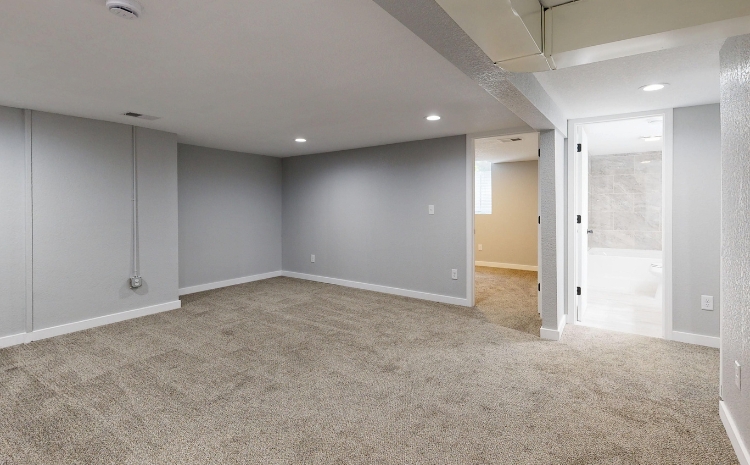
There's a rhythm to when St. Louis families think about their basements. It starts in late August — kids back in school, evenings getting shorter, the household spending more time indoors — and it peaks in about November, when the family has been stacked on top of each other in the living room for a month and someone finally says: "We should have finished the basement."
By then, a finished basement for this winter is no longer possible. The families enjoying a finished basement in December are the ones who started in August.
This post opens what will be an ongoing series on basements this fall. Here's the timing logic, what an August start actually delivers, and why back-to-school season is the smartest moment on the calendar to begin.
The Timeline: What August Buys You
A quality basement finish in St. Louis runs on this schedule:
Design and scope: 2-4 weeks. Layout planning, deciding what the space includes (media area, playroom, office, bathroom, bar), selections for flooring, lighting, and finishes.
Permits: 2-4 weeks. Basement finishes involve framing, electrical, HVAC modification, and often plumbing — all permitted work in St. Louis municipalities. Egress requirements get reviewed here too.
Construction: 6-10 weeks. Framing, rough-ins, inspections, insulation, drywall, ceilings, flooring, trim, paint, punch list. Add 2-3 weeks if a bathroom is included.
Total: 10-18 weeks from first conversation to finished space.
Run the math from a mid-to-late August start: design through early September, permits through late September, construction October into November, completion mid-November to early December. In other words: done for the holidays, done for winter, done for the entire season your family actually lives downstairs.
Start the same project in October instead and it finishes in February or March — you've paid the same money and missed the season.
Why Basements Are the Perfect Fall Construction Project
Beyond the "ready for winter" payoff, basements have a quiet scheduling advantage: they're weather-proof construction.
Decks, roofs, siding, and additions all fight the weather calendar. Basements don't. Once the crew is downstairs, rain doesn't matter, early darkness doesn't matter, the first cold snap doesn't matter. Basement projects run straight through late fall on schedule while exterior projects are dodging rain days.
This has a second-order benefit most homeowners never see: fall basement projects get excellent crew continuity. Exterior trades compress into weather windows; interior work proceeds on rhythm. The same project run in April competes with the spring exterior rush for every trade on the schedule.
There's also the family-logistics angle: basement construction is the least disruptive major project you can do while living at home. The crew enters through the basement or garage where possible, the kitchen keeps working, bedrooms stay quiet, and the mess stays downstairs. Families who'd never attempt a kitchen remodel during the school year handle a basement project without much stress.
What the Space Becomes: The Back-to-School Connection
The reason this post is timed to back-to-school week isn't cute marketing — it's that the school-year routine is exactly what exposes the need.
Think about what happens in your house between September and May:
- Homework happens at the kitchen table, in the middle of dinner prep
- Kids' screen time and adult TV time compete for one family room
- Sleepovers and hangouts take over the main living space
- Nobody has anywhere to put a treadmill, a craft table, or a quiet desk
- Winter weekends compress everyone into the same 600 square feet
A finished basement is the pressure-release valve for all of it. The most-requested spaces in our St. Louis basement projects, roughly in order:
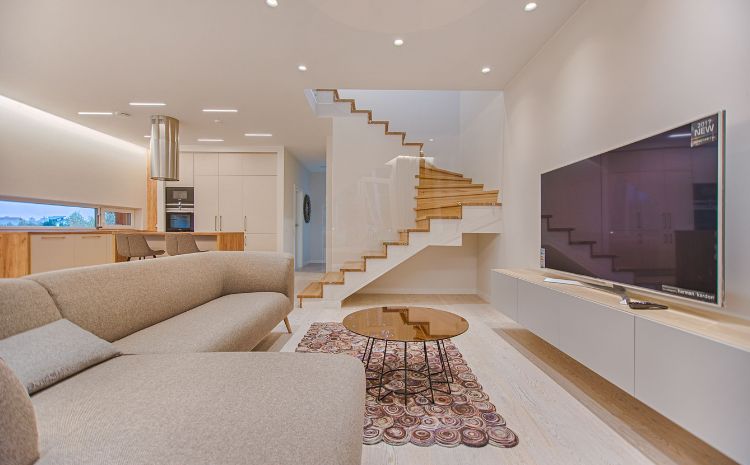
- The second family room / media space — the teenager zone, the game-day zone, the "kids watch their thing while adults watch theirs" solution
- Homework and study areas — built-in desks are one of the highest-satisfaction features we install
- Play space for younger kids — durable flooring, storage, room to spread out, visible chaos contained
- Home gym corner — rubber flooring in one zone costs little and gets used more than most gym memberships
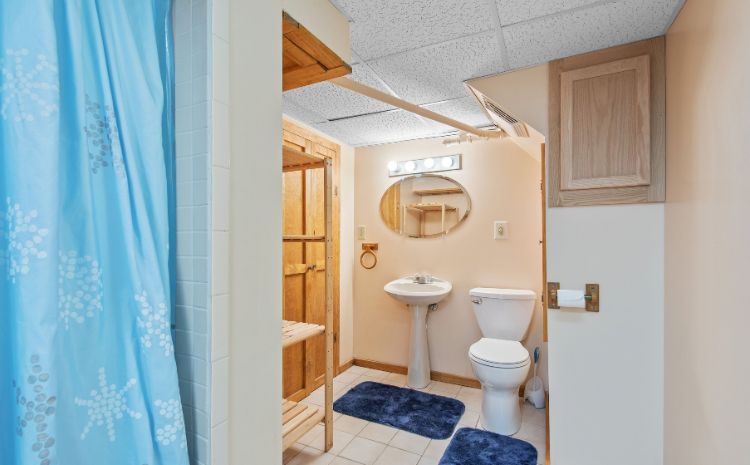
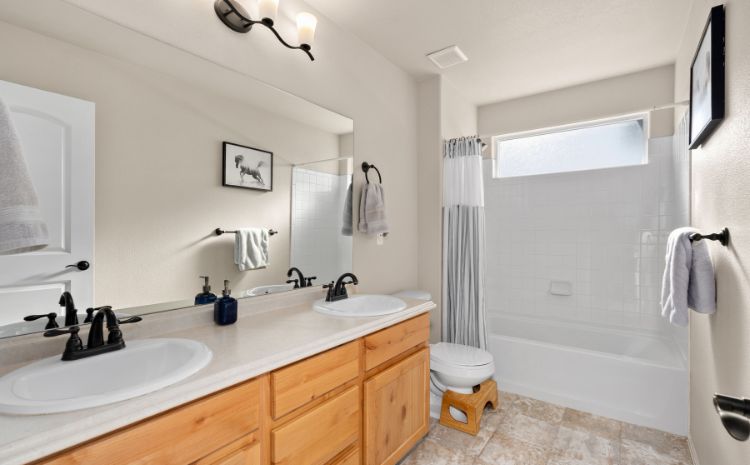
- Guest accommodations — a sleeper area plus a basement bathroom transforms holiday hosting
- The bar or entertaining zone — which we'll cover in depth in a few weeks as football season arrives
A well-designed basement usually combines three or four of these rather than maximizing one.
What Finished Basements Cost in St. Louis
We'll publish a complete cost breakdown in early September, but here's the honest framework now:
- Essential finish (open family space, basic lighting, LVP flooring, no bathroom): $35,000 – $55,000
- Full finish (family space plus defined zones, better finishes, often a bathroom): $55,000 – $95,000
- Premium finish (bathroom, bar, media wall or theater, custom built-ins, designed lighting): $95,000 – $160,000+
Square footage, bathroom inclusion, and ceiling treatment are the three biggest cost levers. St. Louis basements — especially in homes from the 1980s onward — tend to finish beautifully because ceiling heights and layouts generally cooperate.
One flag we'll expand on in September: if your basement has any moisture history, that gets addressed before finishing, not after. Finishing over a moisture problem is how you pay for the same basement twice. An honest contractor checks this first; it's a dealbreaker conversation, and it should be.
The Value Question
Do finished basements return their cost? The straight answer for the St. Louis market:
At resale: finished basements typically return 60-75% of cost, and — more importantly — they sell houses. In family suburbs like Ballwin, Fenton, and St. Peters, buyers with kids increasingly treat a finished basement as an expectation rather than a bonus. An unfinished basement in a neighborhood of finished ones is a negotiating point against you.
In use: this is where basements outperform almost every other project. You're not adding square footage — you're activating square footage you already own and already heat. Cost per usable square foot gained typically runs $60-$110, versus $300-$450 per square foot for an addition. No other project adds living space at anywhere near that efficiency.
In household sanity: unmeasurable, frequently cited by clients as the real return. Especially the ones with teenagers.
What an August Conversation Looks Like
Starting now doesn't mean rushing. The first steps are low-commitment:
Week 1: A walkthrough consultation. We look at the space, the mechanicals, ceiling heights, egress situation, moisture signs, and talk about what your family actually needs the space to do. You get honest feasibility and a realistic budget range.
Weeks 2-3: Design and proposal. Layout options, scope decisions, real pricing.
Week 4: If it's a go — contract, permits filed, construction slot locked for early October.
If it's not a go, you've spent an hour learning what your basement can become and what it costs, which is useful whenever you're ready.
Frequently Asked Questions
Can a basement really be finished in time for the holidays if we start now?
From an August or very early September start, yes — 10-18 weeks covers nearly all projects, and the construction is weather-immune. Starts after early October land in the new year. The math is unforgiving on this one.
Do we need an egress window to finish our basement?
If the finished space includes a bedroom, code requires egress. Many municipalities also require it for certain habitable configurations. If you don't have one, installation runs $4,000-$8,000 and is absolutely worth doing during the project — it adds light, safety, and legal bedroom status.
What about our low ceilings / ductwork / support poles?
Design problems with design solutions. Soffits and tray details handle ductwork; poles get wrapped or incorporated; 7'6" ceilings finish fine with the right lighting plan (recessed, not surface-mounted). Truly low ceilings (under 7') limit options — that's a walkthrough conversation.
Should we include a bathroom?
If the budget allows, almost always yes. It's the single biggest driver of how much the space actually gets used, and adding one later costs significantly more than including it now. We'll publish a full basement bathroom cost post in September.
Is fall pricing different from spring pricing for basements?
Not meaningfully in materials or labor rates. The fall advantage is scheduling quality, not discounts — better crew continuity, faster starts, and a contractor's full attention while the spring-rush projects are still months away.
Start the Conversation Before the Season Starts
If this is the winter your family finally spreads out, the conversation happens now — while completion before the holidays is still simple math instead of a squeeze.
Covenant Contracting finishes basements across the St. Louis metro — Fenton, Wildwood, Ballwin, Chesterfield, St. Peters, Grover, Valley Park, and surrounding areas. Free walkthrough consultations, honest feasibility answers, and real numbers for your specific basement.
Request Your Free Basement Consultation →
Or call (314) 282-1991.