Planning a Whole-Home Renovation in 2027: Where to Actually Start
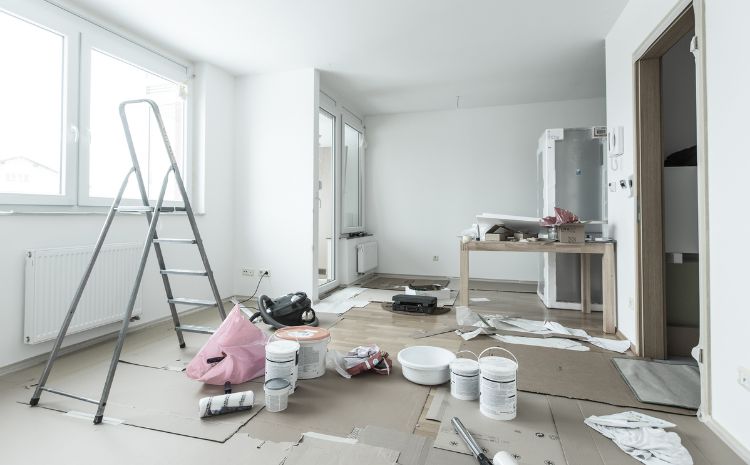
Halloween's a fitting day for this post, because nothing haunts homeowners like a whole-home renovation that started without a plan: the kitchen finished right before the flooring project scratched it, the freshly painted hall opened back up for the electrician, the budget that died a death of nine change orders. Whole-home renovations don't fail at craftsmanship — they fail at sequence.
So here's the planning framework we use, published now for a reason: families who want 2027 transformations are exactly one winter design season away from them, and the ones who plan through this winter renovate calmly while everyone else bids against each other in the spring rush.
Reframe It First: It's a Portfolio, Not a Project
A whole-home renovation is really 6-12 distinct projects — kitchen, baths, flooring, lighting, paint, systems, maybe walls moving or the basement joining the party — that share a house, a budget, and a family's patience. The plan's job is to sequence them so each project protects the last one instead of destroying it. That reframe changes every decision that follows, starting with the most important discipline in this post:
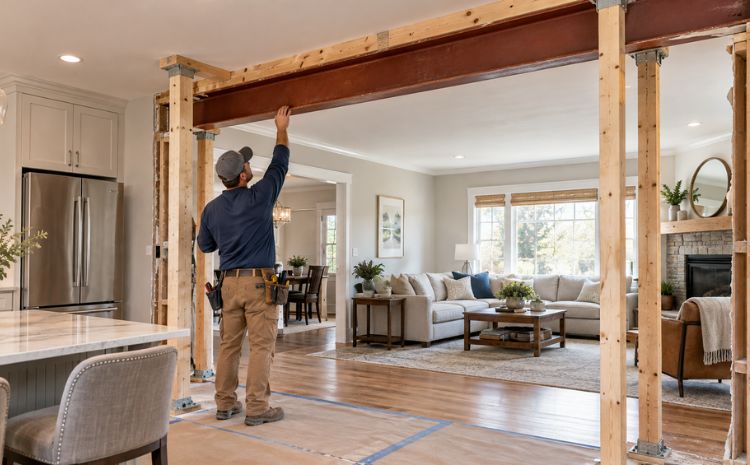
Dirty before clean. Structural before surface. Systems before finishes. Walls move, then wiring and plumbing, then insulation and drywall, then floors, then cabinets and tile, then paint, then the pretty things. Every horror story you've heard is this order, violated.
The Budget Framework (Before Any Pinterest)
Start with three numbers, honestly: what you can deploy, what the house deserves (renovate to the neighborhood — the same discipline from our $75K kitchen post applies house-wide), and what the dream list costs at real St. Louis pricing. The plan lives where those three overlap.
Build it from the corpus you already have: kitchens per our breakdown, basements at $60-$110/sq ft, additions at $300-$450/sq ft per this week's cost anatomy, baths, paint, lighting — each room's post is a line item. Then two non-negotiables: a 10-15% contingency (the living-through-renovation rule, because older St. Louis homes hide things), and pre-1978 assumptions where they apply — lead-safe practices are part of honest whole-home budgeting in most of our metro's housing stock, not a surprise line.
And the financing frame from our addition analysis usually applies here too: the lock-in effect means many families are renovating the house they'll keep for a decade-plus — which changes what's "worth it" from resale math to life math, with cost-versus-value data as the sanity check rather than the verdict.
Phasing: The Three Honest Models
Model A — The Full Send (one mobilization, 4-8 months). Everything at once, family relocated for the heavy middle. Most efficient per dollar (one setup, one crew flow, one disruption), fastest to done, hardest on logistics. Right for: major structural scope, empty-nest timing, or a family with somewhere to be.
Model B — The Two-Phase Split (the most popular, ~12-18 months). Phase one: the dirty core — structure, systems, kitchen, main-floor surfaces. Phase two, after a breather: baths, basement, details. Lets budget replenish and lessons from phase one improve phase two. Slight cost premium for double mobilization; large sanity dividend.
Model C — The Room-by-Room March (2-4 years). One project per season, paid as you go. Maximum cash-flow comfort, minimum household chaos — and the highest total cost (every project remobilizes) plus the highest sequence risk. Viable only with a master plan governing the march; without one, this is how kitchens get scratched by next year's floors. If C is your model, the master plan isn't optional — it's the whole strategy.
Whichever model: the live-through decisions come straight from our living-through guide — dust containment, functioning zones, and the honest exception that whole-house scope is the one case where moving out usually wins.
The Master Plan Deliverable (What "Start" Actually Means)
Starting isn't demolition — it's a document. A real whole-home master plan fixes: the complete scope by room, the sequence and phase boundaries, the systems strategy (panel capacity, HVAC zoning, plumbing runs — decided once, house-wide, so no phase strands the next), the design language (so phase three's bathroom belongs to phase one's kitchen), permits mapped to phases, and the budget with contingency by phase. It's the cheap paper that prevents the expensive rework — and it's precisely what the winter design season produces: plan November-February, build from late winter, transformed by the holidays you host next year.
Frequently Asked Questions
Where do I start a whole-house renovation?
With the master plan: full scope, sequence, systems strategy, and phased budget — before any single project begins. The order inside it is always dirty-to-clean: structure, systems, surfaces, finishes.
Should I renovate all at once or in phases?
All-at-once is cheapest per dollar and fastest; two-phase balances budget and sanity and is our most common recommendation; room-by-room maximizes cash-flow comfort at the highest total cost. The right answer is a family logistics question as much as a money one.
How much does a whole-home renovation cost?
It's the sum of its rooms at real local pricing — which is why the master plan prices each line from actual scope rather than a per-foot myth. Our cost posts (kitchen, basement, bath, addition, paint, lighting) are the honest line items; the plan assembles yours.
When should I start planning for a 2027 renovation?
Now — this winter is the design season for 2027 builds. Design and permits through late winter, construction from spring, done before the next holidays. Planning in spring instead means building in the rush or waiting for 2028.
Start With the Plan
Bring us the house and the wish list. The first conversation maps your scope to a model — full send, two-phase, or the march — and the master plan turns 2027 from a wish into a schedule.
Covenant Contracting plans and builds whole-home renovations across the St. Louis metro — Fenton, Wildwood, Ballwin, Chesterfield, St. Peters, Grover, Valley Park, and surrounding areas.
Request Your Free Planning Consultation →
Or call (314) 282-1991.