Living Through a Renovation: What It's Actually Like (And How to Survive It)
Every renovation consultation eventually arrives at the question homeowners are most nervous to ask: "What's it actually going to be like to live here while this happens?"
The marketing version of the answer is a soft-focus montage that skips from demo day to the reveal. The honest version — the one that actually prepares you — is what this post is for.
We've walked hundreds of St. Louis families through living in their homes during kitchens, baths, basements, additions, and whole-house projects. Here's the unvarnished reality of what each phase feels like, what genuinely makes it harder or easier, and the survival playbook our happiest clients follow.
The Honest Baseline
Let's set expectations plainly:
It will be more disruptive than you hope and less catastrophic than you fear. The families who struggle most are the ones who expected it to be easy. The families who do best planned for hard and found it manageable.
The middle is the hard part. Week one has demo-day adrenaline. The final weeks have visible progress daily. The middle — rough-ins, inspections, drywall — is when the house feels most torn apart while progress looks least visible. Everyone hits a wall somewhere in the middle. Knowing it's coming is half the defense.
Your stress will track decision-making more than dust. Families consistently report that the hardest moments weren't noise or mess — they were mid-project decisions under time pressure. The more decisions you finalize before construction, the calmer you'll live.
What Each Phase Actually Feels Like
Using a kitchen remodel as the example (the most common live-through project), here's the emotional weather forecast:
Demo week: loud, dusty, weirdly exciting. The noisiest week of the whole project. Your kitchen becomes a shell in days. Most families report this week is easier than expected — it's dramatic, fast, and feels like momentum.
Rough-in weeks (2-4 weeks): the quiet grind. Plumbers, electricians, and HVAC trades work inside walls. Progress is real but invisible to you — pipes and wires don't photograph like cabinets do. This is also inspection season, and inspections mean occasional days where nothing happens while you wait for a municipality. This is where morale dips first. It's normal.
Drywall week: the turning point that doesn't feel like one. Drywall dust is the finest, most invasive dust of the project — it travels. But when the walls close up, the space suddenly reads as a room again. Most families' mood turns here.
Finish weeks (3-5 weeks): visible progress daily, patience required hourly. Cabinets, counters, tile, floors, paint, fixtures. Every day changes something you can see. Also the phase where the punch-list mindset creeps in early — you'll notice every unfinished detail because you're now imagining living there. The gap between "looks nearly done" and "is actually done" is reliably 2-3 weeks longer than it feels like it should be.
Punch list: the last 2%. A handful of small items, a final walkthrough, and done. The emotional skill here is letting the process finish properly instead of rushing occupancy of a 98%-complete space and then living with the 2% forever.
The Survival Playbook
The practices that consistently separate smooth live-through experiences from miserable ones:
1. Build the temporary kitchen like you mean it. The single biggest quality-of-life factor in a kitchen remodel. The good setup: microwave, toaster oven or air fryer, coffee station, electric kettle, a folding table with real workspace, a small utility shelf, and paper goods without guilt. Put it near a water source (bathroom or laundry sink) and near the fridge, which we'll relocate to a usable spot before demo. Families with a real temporary kitchen report dramatically better experiences than families making do off a side table.
2. Establish the clean-zone boundary and defend it. One zone of the house — usually bedrooms and one living space — stays construction-free. Dust barriers and floor protection are the contractor's job (and how well we handle them is a fair thing to judge us on). Your job is the habit side: shoes off at the boundary, doors closed, kids' and pets' access managed.
3. Front-load every decision humanly possible. Every selection finalized before demo is a mid-project fire you never fight. When your contractor pushes for tile, grout, hardware, and paint decisions weeks before they're needed — that's not bureaucracy, that's your future sanity being protected.
4. Set the communication rhythm on day one. Know your single point of contact, and agree on a rhythm: a weekly look-ahead ("here's what happens next week, here's what we need from you") plus immediate flags when something changes. Most renovation stress in poorly-run projects is really communication failure. Ask any contractor you're vetting exactly how they handle this — the quality of the answer predicts your experience.
5. Budget a decompression valve. Plan two or three deliberate escapes during the project — a weekend away during the messiest stretch, dinners out without guilt, grandparents' house for the kids on drywall-sanding day. Families who schedule relief in advance use it; families who wait until they need it are already frayed.
6. Expect one genuine surprise and pre-decide your posture. Older St. Louis homes hide things: a corroded drain line, undocumented wiring, a soft subfloor. A funded contingency (10-15%) converts surprises from crises into decisions. The posture that works: hear the finding, get the options with pricing, take a day, decide once.
What Makes Each Project Type Different to Live Through
Kitchens: the hardest common project to live through — because you use a kitchen five times a day. Temporary-kitchen quality is everything. Duration in the house: 6-10 weeks of active work.
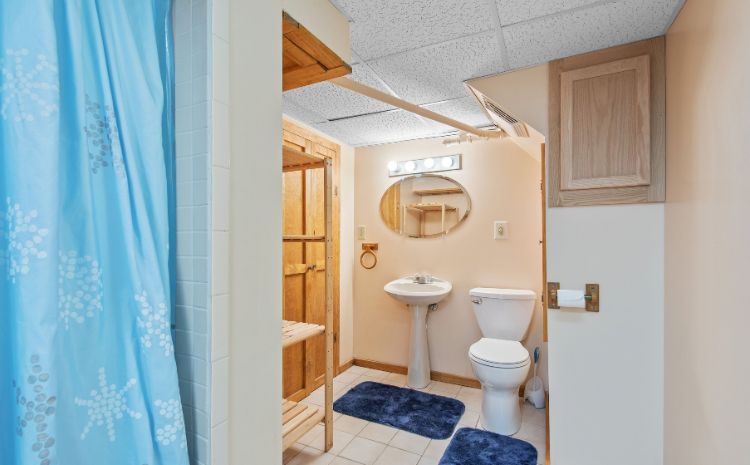
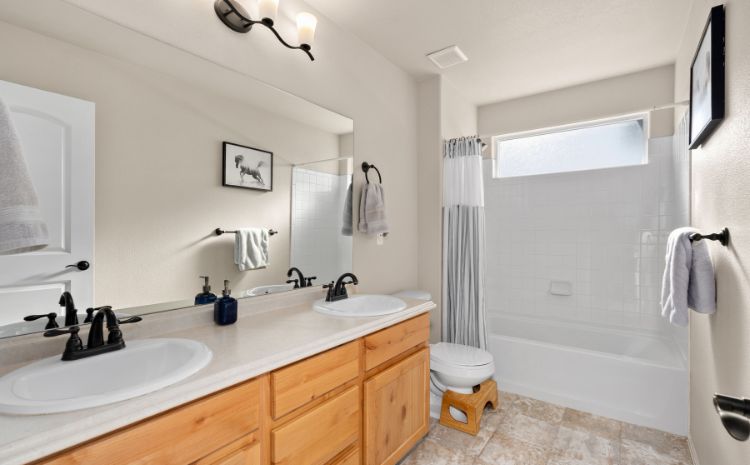
Bathrooms: easy if you have a second bath, hard if you don't. With a second bathroom, a master bath remodel barely disrupts daily life. With one bathroom — talk to us about sequencing; there are ways, but they require planning.
Basements: the easiest live-through project, full stop. The work is downstairs, the mess is contained, your daily spaces stay intact. This is part of why we push fall basement timelines so confidently.
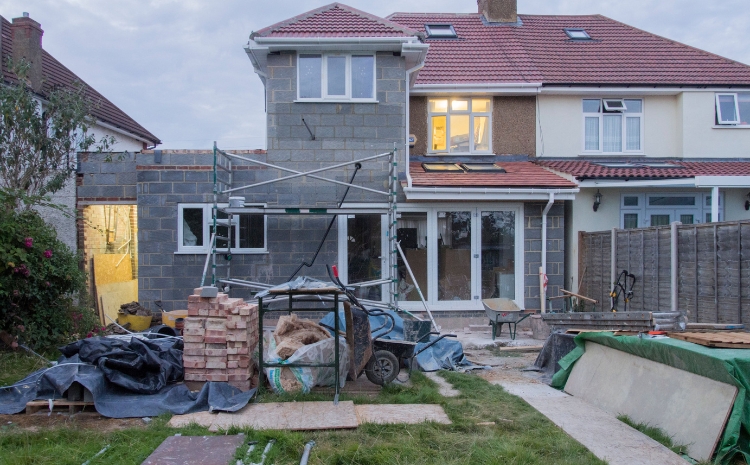
Additions: long but surprisingly gentle — until tie-in. Months of work happen outside your walls. The disruptive stretch is the tie-in phase (opening the wall between old and new) — typically 2-4 weeks of real interior disruption in an otherwise exterior project.
Whole-house renovations: the honest exception. Full-scope whole-house projects often shouldn't be lived through. Depending on scope, we'll tell you plainly whether staying is realistic or whether a short-term rental for the core months is the better spend. Families who force living through a gut renovation to save rent money usually regret the trade.
What Your Contractor Owes You
Living through a renovation tolerably is a two-way contract. Our side of it — and what you should expect from anyone you hire:
- Real dust protection: sealed barriers with zipper doors, floor protection on every path, negative air management on dusty phases
- A clean site every evening: tools staged, debris removed, your home walkable at 5 PM every day
- Working utilities every night: water on, power on, heat/AC functioning when the crew leaves — outages announced in advance, scheduled, and short
- Predictable hours: you'll know when we arrive and when we leave; no surprise Saturdays without agreement
- One point of contact and a weekly look-ahead: you should never wonder what's happening next week
- Respect for the fact that it's your home first and a jobsite second
If a contractor you're interviewing can't speak specifically to how they handle these, that's your preview of the experience.
Frequently Asked Questions
Should we just move out during our remodel?
For kitchens, baths, and basements — no, nearly all families stay and do fine with the playbook above. For whole-house gut renovations — often yes, and we'll tell you honestly based on scope. The in-between cases (large multi-room projects) come down to family temperament, kids' ages, and budget; we've seen both choices work.
How bad is the dust, really?
With proper containment: annoying, not overwhelming. Expect a fine layer near work zones despite everyone's best efforts, and plan one deep clean at project end (many contractors, us included, build a professional final clean into the project). Drywall week is the peak; it passes.
Can we keep pets home during construction?
Usually, with management. Dogs and crews generally sort each other out; the real risks are open doors and curious cats in open walls. Tell us about pets in advance — crews will keep gates and doors managed, and we'll flag the days (demo, floor finishing) when pets are genuinely better off elsewhere.
What about working from home during a renovation?
Plan around the loud phases. Demo and framing weeks are not conference-call compatible anywhere in the house. Rough-in and finish phases are mostly manageable from a distant room. We'll flag the loud days in the weekly look-ahead so you can plan office days accordingly.
Does living in the house slow the project down?
Marginally — daily setup and cleanup, working around family life, sequencing to keep utilities live. Figure a well-run occupied project runs perhaps 5-10% longer than the same project in an empty house. For most families that trade is obviously right; the rental cost of vacating exceeds the value of the time saved.
Go In With Open Eyes, Come Out With the Home You Wanted
The families happiest with their renovations aren't the ones who avoided disruption — they're the ones who knew exactly what was coming, prepared for it, and hired people who managed it like professionals. That's the whole formula.
Covenant Contracting renovates kitchens, baths, basements, and whole homes across the St. Louis metro — Fenton, Wildwood, Ballwin, Chesterfield, St. Peters, Grover, Valley Park, and surrounding areas. Ask us the living-through questions in your consultation — the specific answers are where you'll see the difference.
Request Your Free Renovation Consultation →
Or call (314) 282-1991.