Summer Heat and Your St. Louis Roof: What 95°F Days Actually Do to Your Shingles
When most homeowners think about roof damage, they think about storms — hail, wind, fallen branches. But in St. Louis, the most underrated roof killer doesn’t come from a single dramatic event. It comes from 90 days of relentless summer heat.
We inspect roofs every week from June through September, and the pattern is consistent. Roofs that look fine in April start showing real distress by August. Homeowners notice their AC running constantly, upstairs bedrooms that won’t cool down, energy bills that climb without explanation — and almost no one connects it to what’s happening 20 feet above their head.
Here’s what summer actually does to your roof, what you can do about it, and why ignoring it costs more than addressing it.
What 95°F Outside Actually Means on Your Roof
A 95°F day in St. Louis doesn’t translate to a 95°F roof. Dark asphalt shingles absorb solar radiation aggressively, and on a sunny July afternoon, surface temperatures on your roof routinely hit 150°F to 170°F. We’ve measured shingle surfaces at 175°F on south-facing slopes in late July.
That heat doesn’t just sit on the surface. It transfers through the shingles into the roof deck, into the attic, and eventually into your living space. An unventilated St. Louis attic can hit 140°F when it’s 95°F outside. That heat then radiates down through your ceiling insulation, which is why upstairs bedrooms feel like saunas no matter how hard your AC works.
Now imagine that cycle running for 90 days straight, year after year. That’s what your roof is dealing with.
What Heat Actually Damages on Your Roof
People assume “heat damage” is one thing. It’s not. Summer heat attacks your roof in several specific ways, and each one shortens its lifespan.
Shingle drying and brittleness. Asphalt shingles contain volatile oils that keep them flexible. Year after year of extreme heat cooks those oils out, leaving the asphalt brittle. Brittle shingles crack instead of flexing, lose granules faster, and eventually break apart entirely. This is why old roofs look gray and rough — the asphalt has been cooked dry.
Granule loss. The colored granules on your shingles do two jobs: they reflect UV radiation, and they protect the asphalt underneath. Heat softens the asphalt that holds those granules in place. The next rainstorm washes them into your gutters and downspouts. You’ll see them as coarse dark sand at the bottom of the spout. Once granules are gone, the asphalt is exposed to UV directly and degrades fast.
Thermal cycling damage. Roofs don’t just get hot — they cycle. 170°F in the afternoon, 75°F overnight. That’s a 95°F swing every 24 hours. Materials expand when hot and contract when cool, and the constant cycling stresses every joint, seal, fastener, and seam on the roof. Over time, this is what loosens nails, opens up flashing joints, and creates the small failures that lead to leaks.
Deck warping. The plywood or OSB deck underneath your shingles can warp under sustained high heat, especially if attic ventilation is poor. Warped decking creates uneven surfaces, lifts shingles, and creates the wavy look you sometimes see on older roofs.
Premature aging. Industry data on asphalt shingle lifespan assumes “average” conditions. St. Louis is harder on roofs than average — humid summers, brutal heat, freeze-thaw winters. A roof rated for 30 years in ideal conditions typically delivers 22–25 years here, and significantly less without proper ventilation.
Your Attic Is the Real Story
The shingles take the visible damage, but what’s happening in your attic determines how fast that damage accumulates.
A properly ventilated attic moves air constantly. Cool air enters through soffit vents at the bottom edge of the roof, hot air exits through ridge vents or roof vents at the top. The natural convection happens because hot air rises. If the system is balanced, your attic stays within 15–20°F of outdoor temperatures.
A poorly ventilated attic traps that 140°F heat. It bakes the underside of your roof deck, which transfers heat directly to your shingles. It also bakes your insulation, which loses effectiveness when hot. Your AC runs harder. Your shingles fail faster. Both problems feed each other.
Common attic ventilation problems we see in St. Louis homes:
- Blocked soffit vents. Insulation pushed into the soffits during installation blocks airflow. We see this in homes built in the 1980s and 1990s especially.
- Missing or undersized exhaust. Older homes were often built without ridge vents or with too few roof vents. Modern code requires a specific ratio (typically 1:150 of attic floor area in net free vent area) — many homes built before code updates don’t meet it.
- Improperly mixed systems. Combining ridge vents with powered attic fans, or mixing ridge vents with gable vents, can short-circuit airflow and actually reduce ventilation. Counterintuitive but common.
- No baffles. When insulation is added without baffles to keep airflow open at the eaves, the soffit-to-ridge airflow stops working.
These issues are fixable, often without replacing the roof. But they need to be identified by someone who knows what to look for.
Signs Your Roof Is Heat-Stressed Right Now
You don’t have to wait for the next storm to know if heat is taking a toll. Look for these signs in July or August:
- Granule pile-ups in gutters. Pull up your downspout extension and see what’s there. If you find a substantial layer of coarse dark sand, your shingles are losing protective granules at a noticeable rate.
- Curling at the edges of shingles. Walk to the end of your driveway and look. If you see shingle corners turning up, the asphalt has dried out and the shingles are warping.
- Bald spots on shingles. Patches where the colored granules are gone and you can see the dark asphalt underneath. This is advanced wear.
- Hot upstairs rooms that won’t cool. If you have a two-story home and the upstairs is 8–10°F warmer than the main floor no matter what you set the thermostat to, attic ventilation is likely part of the problem.
- Energy bills climbing year over year. Compare your July and August bills to two or three years ago. If they’re up significantly without rate changes or AC equipment changes, your roof and attic system may be working against you.
- Visible heat damage from the ground. Rippled or wavy areas on the roof surface, especially on south-facing slopes, can indicate deck warping.
What You Can Do About It
Depending on the severity, the response ranges from simple to comprehensive.
- Minor heat distress on a 5–15 year-old roof: Focus on improving ventilation. Adding ridge vents, opening up soffit vents, installing baffles, or addressing any short-circuiting in the existing ventilation system can dramatically reduce attic temperatures and extend the roof’s remaining lifespan. Costs typically run $800–$3,500 depending on scope.
- Moderate damage on a 15–20 year-old roof: A combination of ventilation improvements and targeted repairs may extend the roof another 3–7 years. Worth doing if the roof has years of life left structurally. Less worth it if you’re close to replacement anyway.
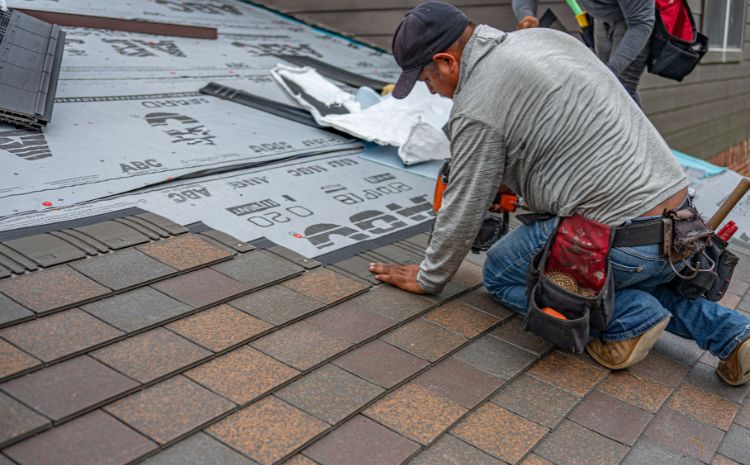
- Significant damage on a 20+ year-old roof: Replacement is usually the right call, and the new installation should address ventilation properly from the start. Modern roofing systems include better underlayment, improved ridge ventilation, and shingle technology that handles heat better than what was available 20–25 years ago.
- Improperly ventilated newer roof: This one frustrates homeowners. A 5-year-old roof should not be showing heat damage. If it is, the original installation likely didn’t address ventilation correctly. We can usually fix this without replacing the roof, but it requires opening up the ventilation system and rebuilding it properly.
What Better Roofing Materials Look Like Now
If you’re replacing a roof in St. Louis in 2026, the options for heat resistance have improved significantly in the last decade.
- Cool roof shingles. Lighter-colored shingles with reflective granules can reduce roof surface temperatures by 10–30°F compared to traditional dark shingles. Available in colors that don’t look like “cool roof” shingles used to — modern options include browns, grays, and even some darker tones with reflective technology.
- Impact-resistant Class 4 shingles. Originally designed for hail resistance, these shingles are typically thicker and handle thermal cycling better than standard shingles. They often qualify for insurance discounts in Missouri.
- Better underlayment. Synthetic underlayments don’t break down under heat the way felt paper used to. Ice and water shield in valleys and at eaves adds another layer of protection.
- Improved ventilation systems. Modern ridge vents, intake vents, and balanced ventilation designs handle attic heat far better than what came standard 20–30 years ago.
- Metal roofing. Reflects far more solar radiation than asphalt, lasts 40–70 years, and is increasingly cost-competitive with premium shingle systems. Not the right choice for every home, but worth considering for the right architecture.
Frequently Asked Questions
Can heat damage void my shingle warranty?
Possibly. Most shingle warranties require proper attic ventilation as a condition of coverage. Poor ventilation that causes premature aging is one of the top reasons warranty claims get denied. If you’re concerned, dig out your warranty documentation and check the ventilation requirements.
How much does adding ventilation cost?
Most ventilation upgrades on existing roofs run $800–$3,500 depending on what’s needed. Adding ridge venting during a roof replacement is much cheaper than retrofitting later — typically $500–$1,200 incremental cost during a re-roof.
Will a new roof actually lower my energy bills?
Sometimes. A properly ventilated new roof with better insulation underneath can reduce cooling costs by 8–15% in St. Louis summers. The bigger gains come from the ventilation and attic insulation upgrades that happen alongside the roof, not the shingles themselves.
Is summer a bad time to replace a roof?
No — we install year-round. Summer installations require attention to working hours and crew safety in extreme heat, but the materials install fine. Modern adhesives actually seal better in warm weather. We avoid the hottest hours of the day for crew safety, not material concerns.
How often should my roof be inspected?
Once a year for general health, plus after any major storm. Most homeowners go 5–10 years between professional inspections, which is too long — early issues are far cheaper to address than the damage they cause.
Get a Real Look at What Your Roof Is Dealing With
If your upstairs is hot, your energy bills are up, or you’ve noticed any of the heat-stress signs above, it’s worth a 30-minute inspection. We’ll get on the roof, check ventilation, photograph any issues, and give you a written report with our honest recommendation. Sometimes the answer is “you’re fine for another 5 years.” Sometimes it’s “let’s talk about ventilation.” Sometimes it’s “your roof has been telling you something for a while now.”
Covenant Contracting offers free roof inspections across the St. Louis metro — Fenton, Wildwood, Ballwin, Chesterfield, St. Peters, Grover, Valley Park, and surrounding areas. No pressure, no hard sell — just a real look at what’s happening up there.
Request Your Free Roof Inspection →
Or call (314) 282-1991 to schedule directly, or explore our other services.