Last Call: The Exterior Work That Must Start This Week
Every exterior trade in St. Louis is playing against the same opponent right now — the first hard freeze — but they're not all playing with the same clock. Concrete's deadline is not roofing's deadline is not siding's deadline, and every October we watch homeowners discover this two weeks too late for the project they actually wanted.
So here's the whole board at once: every major exterior project, its true cutoff logic, and what "missed it" actually means for each — because for some trades that's "wait until April," and for others it's "no problem, we work all winter."
The Deadline Board (Hardest Deadline First)
CONCRETE — the real deadline: pour by early-to-mid November. Driveways, patios, walkways, stoops, and — critically — deck and addition footings all answer to cold-weather concrete standards: concrete wants sustained above-freezing curing conditions, and while cold-weather pours are possible with protection measures, the practical residential window closes when nighttime temps go reliably below freezing. Our deck-deadline math was this exact physics; the last calm-schedule pours are being booked now. Missed it: flatwork waits for spring. Footings for winter builds can sometimes beat the freeze if contracted immediately — this is the week to ask.
FULL SIDING REPLACEMENT — cutoff: start by early November. Vinyl gets brittle in real cold and its vinyl siding installation specs require temperature-aware fastening for expansion movement; fiber cement's caulks and paints want moderate temps, per everything in our fall siding post. Quality crews work into cold with the right practices, but the calm-and-ideal window is closing. Missed it: repairs and small sections continue all winter; full replacements book for late winter/early spring — and booking now for March beats calling in March.
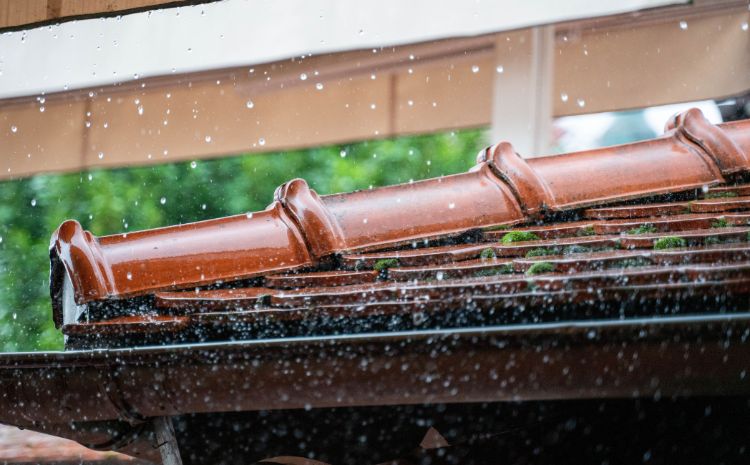
ROOFING — softer deadline than everyone thinks: comfortably into November, then selective all winter. Asphalt shingles seal best with warm-ish days, and roofing industry guidance shapes cold-weather technique (hand-sealing, storage, timing) — so full replacements run well into November here, and as our upcoming winter roofing post will detail, replacement doesn't fully stop in winter; it just gets choosier about weather windows. What genuinely can't wait: active leaks, storm damage, and the inspection itself. A fall inspection this week (the full checklist from our September post) is the cheapest item on this entire page and informs everything else.
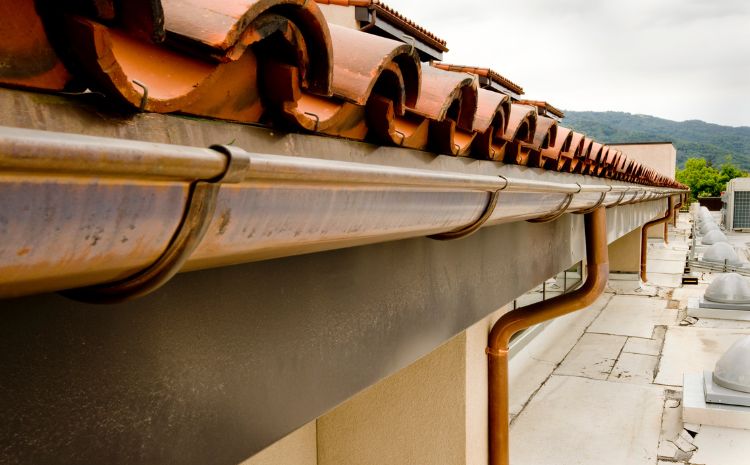
GUTTERS — deadline: before the leaves finish falling, so… now-ish. Gutter replacement and guard installation is cold-tolerant work, but its purpose is seasonal: the system needs to be clean, sized, and extended before winter's freeze-thaw water management exam — the foundation-protection stakes from our gutter post. Missed it: still installable most of winter; the damage clock (ice loading, overflow at the foundation) just starts running.
EXTERIOR PAINT & CAULK — cutoff: the next few weeks of daytime warmth. Coatings and sealants have minimum application temperatures; late October's warm afternoons are the last reliable windows. Small but mighty: fresh caulk at penetrations and the entry-door weatherization from the mudroom conversation are one-day items with all-winter payoff.
DECKS (wood framing) — nuanced: footings answer to concrete; framing doesn't. Per the deadline post: if footings pour before freeze-up, framing and decking proceed in cold just fine. The this-week decision is the footing decision.
The Pattern Behind the Whole Board
Notice what's actually driving every deadline: water and temperature during installation, not during the product's life. Everything on this board performs beautifully in a Missouri winter once installed correctly — the deadlines exist because installing correctly needs cooperative conditions. Which yields the honest three-way sort for any exterior project on your mind this week:
Start now: anything with concrete, full siding, exterior coatings, gutter work ahead of leaf-end, and any roof with a known problem.
Winter-viable with the right contractor: roof replacement in weather windows, siding repairs, gutter installs.
Book now, build at winter's end: the projects that missed the board — contracted in November/December, they own the first spring slots at pre-spring pricing, which is the entire thesis of the winter design season we'll detail in November. The spring rush is real, and it's assembled from everyone who calls in March.
Frequently Asked Questions
What's the last month to replace a roof before winter in St. Louis?
Full replacements run comfortably into November, and selective replacement continues through winter in weather windows with cold-appropriate technique. The harder deadline is diagnostic: get the inspection now so any real problem beats the freeze.
How cold is too cold to pour concrete?
Residential practicality: sustained sub-freezing nights end the normal season — typically early-to-mid November here. Cold-weather pours with protection are possible but add cost and care; for flatwork, spring is usually the honest answer once hard freezes arrive.
Can siding be installed in winter?
Repairs and sections, yes. Full replacements are better started by early November or booked for late winter — vinyl's cold brittleness and sealant temperature minimums make deep-winter full jobs a compromise quality crews prefer to avoid.
Is it too late to start an exterior project this year?
For most of the board — not yet, if the conversation happens this week. That's not sales urgency; it's the physics calendar. And "too late for 2026" converts directly into "first in line for 2027" if you book instead of shelve.
One Walkthrough, Whole Board
We'll walk the exterior once and give you the triage: what must start now, what winter can handle, and what should be booked for the first spring slots — each with its real number.
Covenant Contracting handles roofing, siding, gutters, concrete, and decks across the St. Louis metro — Fenton, Wildwood, Ballwin, Chesterfield, St. Peters, Grover, Valley Park, and surrounding areas.
Request Your Free Exterior Assessment →
Or call (314) 282-1991.