How Long Does a Roof Last in Missouri?
Roof lifespan varies depending on materials, maintenance, and environmental conditions. In Missouri, extreme weather—ranging from heavy storms to intense summer heat—can significantly impact how long your roof lasts. Homeowners in Fenton need to be especially proactive to ensure their roof reaches its full lifespan.
Average Roof Lifespans
Different roofing materials offer varying levels of durability and longevity:
- Asphalt shingles: 20–30 years
- Metal roofing: 40–70 years
- Tile roofing: 50+ years
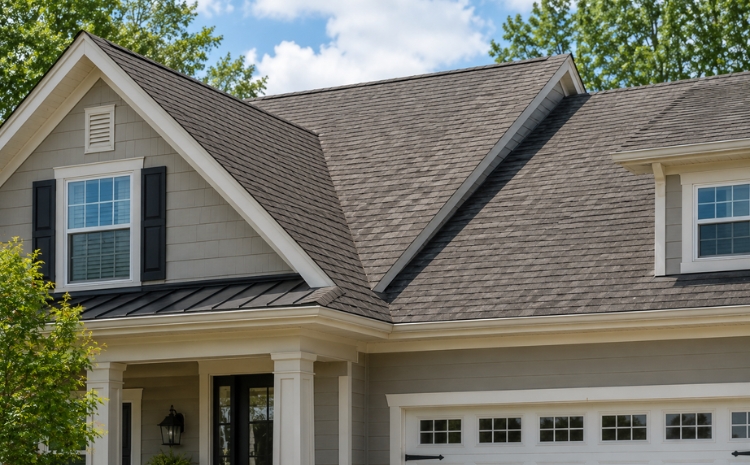
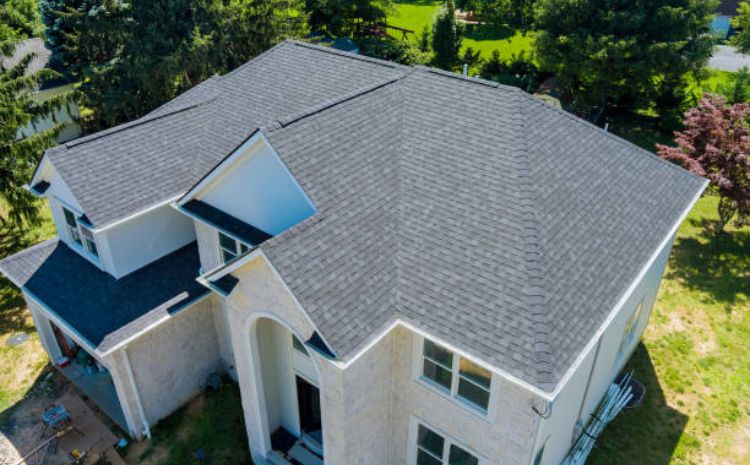
Asphalt shingles are the most common roofing material due to their affordability and ease of installation. They perform well under normal conditions but can wear down faster when exposed to frequent storms, high winds, and temperature fluctuations. Regular maintenance and proper attic ventilation can help maximize their lifespan. In terms of overall value, asphalt shingles are often considered the most cost-effective choice for homeowners looking for a balance between upfront affordability and reliable performance over time.
Metal roofs are known for their durability and resistance to harsh weather conditions, including heavy rain and strong winds. They are less prone to cracking or shrinking and often come with protective coatings that prevent rust and corrosion. While the upfront investment is higher, their long lifespan and low maintenance needs make them a strong long-term value option that can reduce replacement and repair frequency over the years.
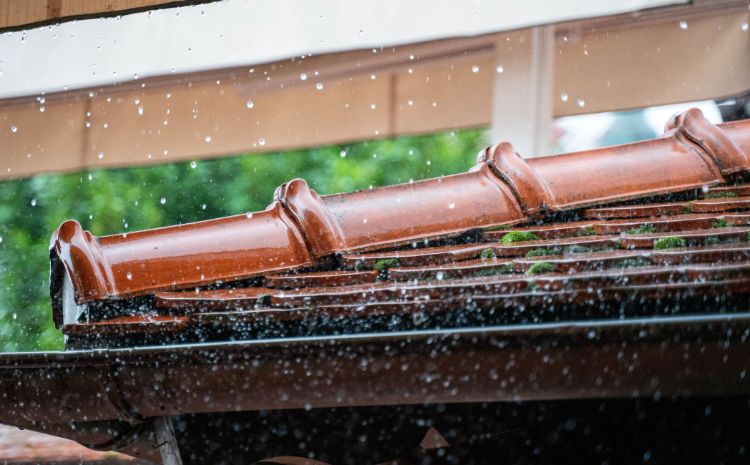
Tile roofs, often made from clay or concrete, are extremely durable and can last several decades with minimal maintenance. They are highly resistant to fire, rot, and insect damage, making them ideal for long-term performance. However, they are heavier than other materials and require a strong structural foundation to support their weight. Because of their longevity and premium durability, tile roofing is often viewed as a high-value investment for homeowners prioritizing long-term performance and curb appeal.
While these are general estimates, actual lifespan can vary depending on how well the roof is maintained and installed. Choosing the right material for Missouri’s climate can make a significant difference in long-term performance.
Factors That Affect Roof Longevity
Weather Conditions
Missouri’s climate includes hailstorms, strong winds, heavy rainfall, and fluctuating temperatures. These conditions can cause shingles to crack, loosen, or deteriorate faster than expected. Resources like National Weather Service provide insight into how regional weather patterns can impact roofing systems.
Maintenance
Regular maintenance plays a major role in extending your roof’s life. Cleaning gutters, removing debris, and scheduling annual inspections can prevent minor issues from becoming major problems. Neglecting maintenance often leads to premature roof failure.
Installation Quality
Even the best roofing materials can fail early if they are poorly installed. Hiring experienced professionals ensures proper sealing, ventilation, and structural integrity. Quality workmanship is one of the most important factors in maximizing roof lifespan.
Signs Your Roof Is Nearing the End
- Frequent repairs: If you’re constantly fixing issues, replacement may be more cost-effective.
- Curling or missing shingles: This indicates aging and weather damage.
- Persistent leaks: Ongoing water intrusion is a major red flag.
You may also notice granule loss in gutters or visible sagging, which can signal deeper structural concerns.
Importance of Regular Inspections
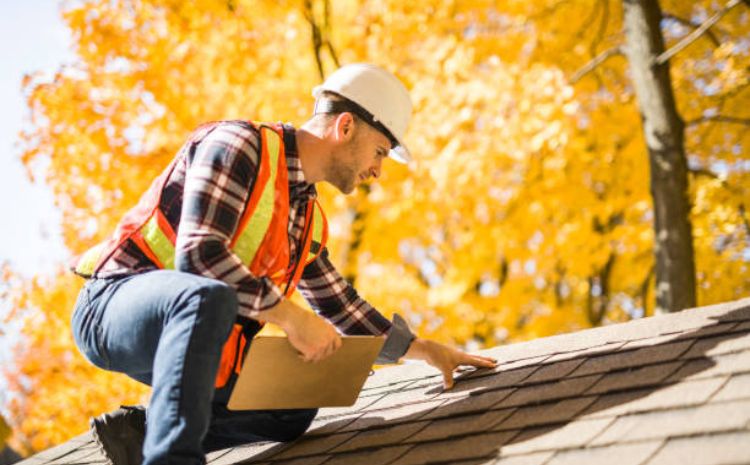
Routine inspections help detect issues early and extend roof life. Professional inspections can uncover hidden damage that isn’t visible from the ground. According to the National Roofing Contractors Association, homeowners should inspect their roofs at least twice a year—typically in the spring and fall.
When Should You Replace Your Roof?
If your roof is approaching the upper end of its expected lifespan or showing multiple warning signs, it’s time to start planning for replacement. Waiting too long can lead to structural damage, mold growth, and higher repair costs. Proactive replacement ensures your home stays protected year-round.
If your roof is aging or showing signs of wear, don’t wait until small issues become major problems. Schedule a professional inspection with Covenant Contracting in Fenton, MO today to protect your home and plan ahead with confidence.