7 Warning Signs Your St. Louis Roof Needs Replacement
If you’ve lived in St. Louis for more than a few years, you already know the drill. One April afternoon the sky turns green, hail pounds your shingles for ten minutes, and the next morning your neighbor’s tarp is up before the coffee’s brewed.
Most homeowners don’t think about their roof until something goes wrong. By then, the damage is often worse than it looks from the driveway — and the insurance window may already be closing.
After years of inspecting roofs across Fenton, Wildwood, Ballwin, Chesterfield, and the rest of the metro area, we’ve seen the same warning signs show up again and again. Catch them early, and you might get away with a repair. Ignore them, and you’re looking at interior water damage, mold, and a much bigger bill.
Here are the seven signs we tell every homeowner to watch for.
1. Your Shingles Are Curling, Cracking, or Missing Granules
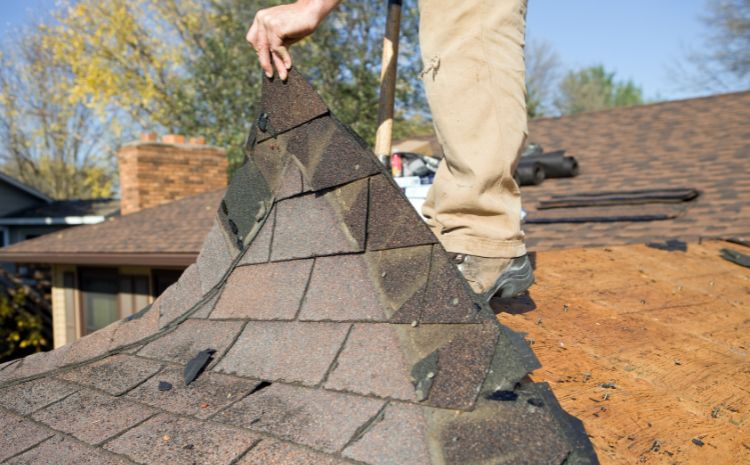
Walk to the end of your driveway and look up. Healthy asphalt shingles lay flat, look uniform, and have a gritty texture. When shingles start curling at the edges, cracking down the middle, or losing the dark granules that protect them from UV rays, the roof is telling you it’s done.
You’ll often see the granules first — piled up at the bottom of your downspouts like coarse black sand. That’s not normal weathering. That’s your roof’s protective layer washing away.
Why it matters: Once granules are gone, the asphalt underneath cooks in the sun. Shingles dry out, get brittle, and start failing within a year or two.
2. You See Daylight or Water Stains in Your Attic
This one’s easy to check yourself, and almost nobody does. Grab a flashlight, head into the attic on a sunny afternoon, and turn the light off.
If you see daylight coming through the roof deck — even a pinhole — water is getting in too. Look for dark streaks on the wood, soft spots, or that musty smell that means moisture has been sitting up there for a while.
A lot of St. Louis homes have older attics that haven’t been inspected in a decade. By the time stains show up on the bedroom ceiling below, the damage in the attic is usually significant.
3. Shingles in the Yard After a Storm
This sounds obvious, but homeowners regularly tell us, “I figured it was just one or two.” One or two missing shingles after a Missouri thunderstorm isn’t catastrophic on its own — but it almost always means more are loose.
Wind doesn’t just rip shingles off. It lifts them, breaks the seal underneath, and leaves them flapping until the next storm tears them free. Even shingles that look fine from the ground may be unsealed and ready to fail.
What to do: After any storm with winds over 50 mph or hail larger than a quarter, get an inspection. Most reputable contractors offer them free, and if there’s storm damage, you may have a strong insurance claim.
4. Your Roof Is 20+ Years Old
Architectural asphalt shingles — the most common roofing material in St. Louis — are typically rated for 25 to 30 years. But that’s under ideal conditions. Missouri weather is not ideal conditions.
Between summer heat that pushes attic temps past 140°F, hailstorms, freeze-thaw cycles, and the occasional ice dam, most roofs in our area start showing real wear by year 18 to 20. If your roof is in that range and you’ve never had it professionally inspected, it’s time.
If you bought your home and don’t know the roof’s age, check your closing documents or ask a contractor — we can usually tell within a few years just by looking at it.
5. Sagging Rooflines or Dips
Stand across the street and look at your roof’s ridgeline. It should be straight. If you see a dip, a wave, or any sag, stop reading and call a contractor today.
Sagging means the roof deck — the plywood underneath the shingles — is failing. That’s usually caused by water damage that’s been working on the structure for years. In bad cases, the rafters themselves are rotting.
This is one of the only roofing issues we’d call genuinely urgent. Roof decks don’t fix themselves, and a sagging roof can collapse, especially under snow or ice load.
6. Hail Damage You Can’t See from the Ground
St. Louis sits squarely in the middle of hail alley. Most hail damage isn’t dramatic — no smashed windows or dented cars — but the impact crushes the granules on your shingles and creates small bruises that compromise the roof’s integrity.
Insurance companies have a window for filing hail claims, and in Missouri, it’s typically one year from the storm date. If your area got hit and you haven’t had an inspection, you may have a claim sitting on your roof right now.
We’ve helped homeowners across St. Charles County, West County, and the South County area file successful claims for damage they didn’t even know they had. It’s worth a 20-minute inspection.
7. Higher Energy Bills That Don’t Add Up
If your summer cooling bills have crept up year over year and you haven’t changed anything else, your roof might be the reason. Failing shingles, poor attic ventilation, or compromised insulation all let heat into your home.
A new roof on its own won’t slash your energy bill in half — but combined with proper attic ventilation and modern shingle technology, the difference is real. Homeowners we’ve worked with in Chesterfield and Wildwood have reported 10–15% drops in summer cooling costs after a full roof replacement.
When Repair Still Makes Sense (And When It Doesn’t)
Not every problem on this list means you need a full replacement. A handful of missing shingles, one small leak, or isolated storm damage can usually be repaired.
The rule of thumb we use:
- One issue, localized: Repair is probably the right call.
- Multiple issues, or signs spread across the roof: Replacement is usually more cost-effective long-term.
- Roof is 18+ years old AND showing problems: Replacement, almost always. Repairs on an old roof are throwing money at a deadline.
A good contractor will tell you straight. If someone insists on a full replacement when a repair would do — or vice versa — get a second opinion.
What to Do Next
If you’ve spotted two or more of these signs on your home, here’s the order we’d recommend:
The rule of thumb we use:
- Get a free professional inspection. Most reputable St. Louis roofers offer them. Don’t pay for an inspection unless it includes a written report.
- If there’s storm damage, contact your insurance company. Don’t wait. Missouri has filing deadlines, and the longer you wait, the harder it is to prove the damage came from a specific event.
- Get at least two quotes. Pricing varies, but more importantly, the scope of work varies. A quote that’s $4,000 cheaper might be missing critical components.
- Ask about warranty, materials, and crew. Who’s actually doing the work? Are the shingles brand-name? Is the labor warranty transferable if you sell?
Frequently Asked Questions
How much does a roof replacement cost in St. Louis?
Most asphalt shingle roof replacements in the St. Louis metro area run between $9,000 and $18,000, depending on size, pitch, materials, and any deck repairs needed. Premium materials like impact-resistant shingles or metal roofing run higher. Insurance often covers most or all of the cost when storm damage is involved.
How long does a roof replacement take?
For a typical St. Louis home, one to two days. Larger homes or complex roofs may take three. Weather delays happen — we’d rather wait a day than install shingles in the rain.
Will my insurance cover a new roof?
If the damage is from a covered event (hail, wind, fallen tree), often yes. We help homeowners navigate the claims process every week. If your roof is just old and worn out, that’s typically not covered — but a contractor can tell you within a few minutes whether you have a viable claim.
Do I need to be home during the work?
No. Most of our work is exterior, and crews can complete the job whether you’re there or not. We’ll keep you updated and coordinate any access needs in advance.
What’s the best time of year to replace a roof in Missouri?
Spring and fall are ideal — moderate temperatures help shingles seal properly. That said, we install year-round. Winter installations are fine when temperatures cooperate, and summer is no problem either.
Get a Straight Answer About Your Roof
If you’re reading this and wondering whether your roof is in trouble, the honest answer is: probably worth a look. Roof problems don’t fix themselves, and they always cost more the longer you wait.
Covenant Contracting offers free, no-pressure roof inspections across the St. Louis metro — Fenton, Wildwood, Ballwin, Chesterfield, St. Peters, Grover, Valley Park, and the surrounding areas. We’ll give you a written report, photos of any issues, and a straight recommendation: repair, replace, or you’re fine for now.
Or call us directly at (314) 282-1991 — we answer.