Egress Windows: Cost, Code, and Why Your Basement Bedroom Isn't Legal Without One
There's a sentence that stops basement plans cold in every design meeting where it applies: "That room can't be a bedroom without an egress window." It surprises people every time — the room has a door, a closet, drywall plans, what's missing? What's missing is the way out. And the way out is not a technicality: it's the difference between a marketing term ("sleeping area!") and a legal, safe, appraisable bedroom.
Here's the code in plain English, real St. Louis installation pricing, what the project actually involves, and why this window is the best value-unlock in the basement universe.
The Code, Translated From Inspector to Human
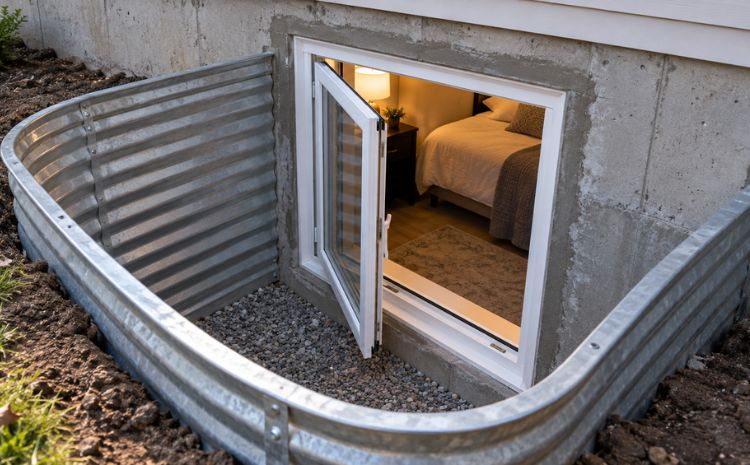
Building codes require every sleeping room — and finished basements generally — to have an emergency escape and rescue opening: a way for a person to get out, and a firefighter in gear to get in, without using the stairs. In practice, per the current IRC egress requirements, that means an opening meeting minimum clear dimensions (net clear opening of about 5.7 square feet, minimum height and width thresholds), a sill no higher than 44 inches off the floor, openable from inside without keys or tools — and when the window sits below grade, a window well with adequate dimensions, plus a ladder or steps when the well is deep.
The plain-English version: a small hopper window near the ceiling doesn't count. An egress window is a real, large, openable window — which is exactly why it transforms basements beyond the legal checkbox.
What It Costs in St. Louis
The corpus number holds: $4,000 – $8,000 installed for a standard egress window project — and here's what's inside that range:
The excavation and cut. Digging the well area, then saw-cutting a precise opening through poured concrete or block foundation wall. This is the specialized, dusty, non-DIY heart of the project.
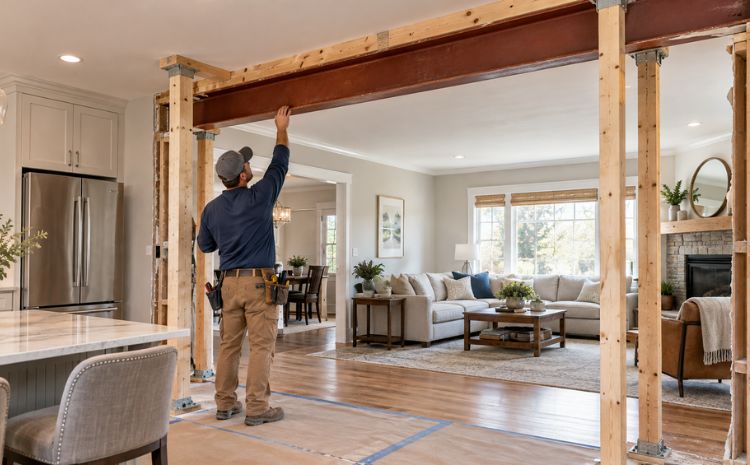
Structural support. A proper header/lintel over the new opening so the foundation wall carries its loads forever. This is engineering, not carpentry.
The window and well. A code-sized window (casement styles open widest for the clear-opening math), well liner (galvanized, composite, or masonry), gravel drainage base, and ladder if depth requires.
Waterproofing the cut. Flashing and sealing the new opening — done with the same seriousness as everything in our moisture post, because you've just created a hole in your foundation on purpose. Drainage at the well base matters as much as the seal; a well that holds water is a window aquarium.
What pushes toward or past the top of the range: deep wells on walkout-grade lots, interior finish repairs, difficult access for excavation equipment, upgraded well covers, and — the big one — needing multiple windows because multiple bedrooms are planned.
Why It's the Best Value-Unlock in the Basement
Run the math from our basement value breakdown: a legal bedroom is one of the strongest per-dollar adders a basement finish has — and the egress window is the gate to the label. A $5,000-ish window converts "bonus room" to "4th bedroom" in the listing, the appraisal conversation, and the buyer's mental floor plan. Per our full cost breakdown's framing: bedrooms require egress ($4,000-$8,000 installed), and that line item routinely returns more identity to the house than anything else at its price.
And the unmeasured return: daylight. An egress window is the single biggest weapon against basement-ness. Rooms with one read as downstairs, not basement — the exact effect every finishing decision is chasing, delivered through below-grade wall behavior working with you instead of against you: light in, water managed, code satisfied.
Safety, Said Plainly
We'd install these even if code didn't ask. A finished basement where people sleep — kids' rooms, guest rooms, teen caves — with a single stairway exit is a risk no family should furnish around. The egress window is a fire exit, a rescue entrance, and a carbon-of-mind purchase. When we say a basement bedroom "isn't legal" without one, the honest translation is: it isn't safe without one, and the law happens to agree.
Timing It Right
Two windows of opportunity: standalone installs run 2-4 days of site work and fit almost any season — though excavation prefers unfrozen ground, so fall beats February. Within a basement finish, the egress cut comes early in the sequence (before framing near that wall) — which is why bedroom decisions belong in the design phase, per the planning logic in our August basement-start post. Deciding "we'll add the bedroom later" after drywall means paying twice for one wall.
Frequently Asked Questions
How much does an egress window cost?
St. Louis: $4,000-$8,000 installed for a typical project — concrete cutting, structural header, code-sized window, well, drainage, and waterproofing included. Deep wells, tough access, or multiple windows push the total; each additional window in the same project typically prices below the first.
What are the requirements for a basement egress window?
A net clear opening of roughly 5.7 square feet meeting minimum height/width dimensions, a sill within 44 inches of the floor, openable from inside without tools, and a properly sized well (with ladder when deep) if below grade. Your municipality's inspector has final say — which is one more reason this is permitted work.
Can I install an egress window myself?
Honestly: no. Saw-cutting a foundation wall, installing a structural header, and waterproofing the cut is specialized structural work with permanent consequences — and it's permitted and inspected. This is one of the clearest "hire it" projects in remodeling.
Does every basement bedroom need its own egress window?
Yes — each sleeping room needs its own escape opening. One egress window in the family room doesn't legalize two bedrooms down the hall. Plan the window count with the room count.
Unlock the Bedroom
If a basement bedroom is anywhere in your plans — this year's project or a someday — the egress conversation comes first, because it shapes budget, layout, and sequence. We'll assess your foundation, your grade, and your goals, and give you the real number.
Covenant Contracting designs and finishes basements across the St. Louis metro — Fenton, Wildwood, Ballwin, Chesterfield, St. Peters, Grover, Valley Park, and surrounding areas.
Request Your Free Basement Consultation →
Or call (314) 282-1991.